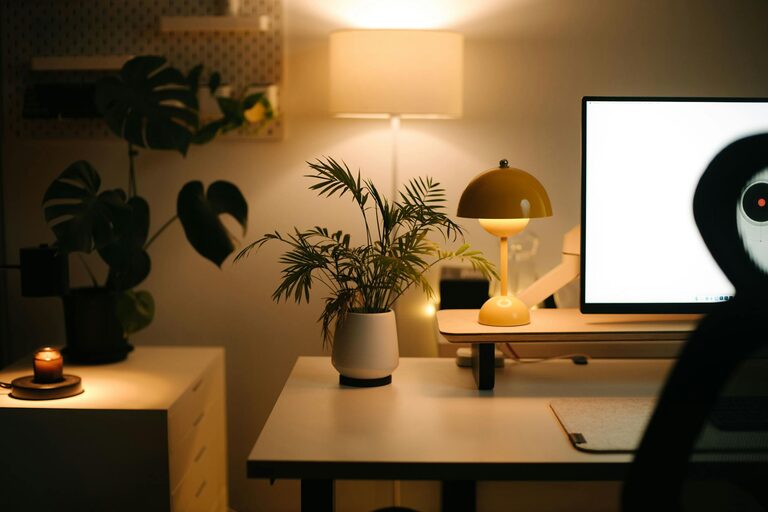
Creating a relaxing home office environment is essential for maintaining focus and reducing stress during your workday. Whether you’re working remotely full-time or just need a quiet spot for occasional tasks, your workspace should promote comfort and calm. This guide offers useful tips to help you transform your home office into a peaceful haven that supports your productivity and well-being.
Choose the Right Location
Selecting the right spot for your home office is the foundation of a relaxing workspace. Ideally, pick an area that is:
– Quiet: Avoid noisy parts of your home or nearby distractions.
– Natural Light: Position your desk near windows to benefit from daylight, which can improve mood and energy.
– Private: Choose a space where you can minimize interruptions, especially if you share your living space.
If a dedicated room isn’t available, consider creating a defined workspace using room dividers or furniture arrangements.
Prioritize Ergonomics
Comfort plays a big role in relaxation. An ergonomic setup supports your body and prevents strain.
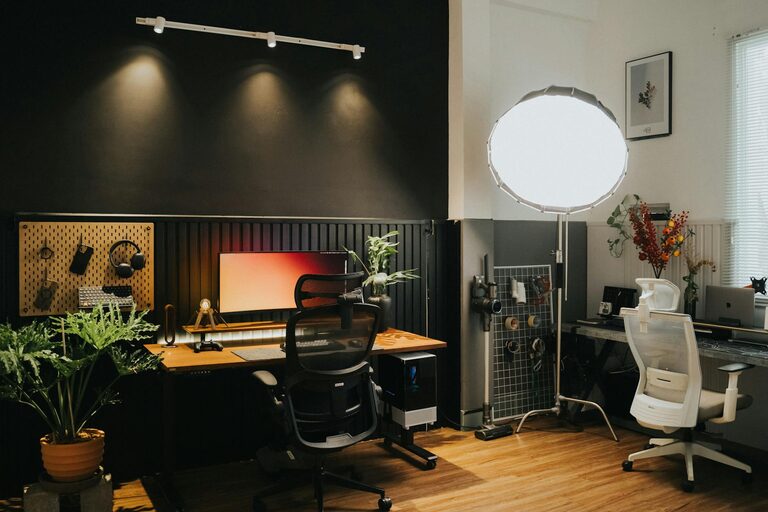
– Chair: Invest in a supportive chair with adjustable height and good lumbar support.
– Desk: Your desk height should allow your arms to rest comfortably while typing.
– Monitor: Position your screen at eye level, about an arm’s length away, to reduce neck and eye strain.
– Keyboard and Mouse: Use comfortable tools that prevent strain on your wrists.
Good ergonomics help you focus without discomfort, making work less stressful.
Keep Your Space Organized
Clutter can cause mental distraction and anxiety. Maintaining an organized workspace helps keep your mind clear.
– Use Storage Solutions: Shelves, drawers, and organizers keep items off your desk.
– Declutter Regularly: Set aside time each week to tidy and remove unnecessary items.
– Digital Organization: Manage your computer files and emails to avoid digital clutter.
An orderly space gives you a calming sense of control and makes it easier to find what you need.
Add Calming Colors and Decor
Colors impact mood, so choose tones that promote relaxation and focus.
– Soft Neutrals: Shades like beige, soft gray, or pastel colors create a soothing atmosphere.
– Nature-Inspired Colors: Greens and blues are often associated with calmness.
– Personal Touches: Add artwork, photos, or inspirational quotes that make you feel comfortable without being distracting.
Keep decor simple and purposeful to maintain a tranquil environment.
Incorporate Plants and Natural Elements
Bringing nature indoors has been shown to reduce stress and increase productivity.
– Easy-to-Care-For Plants: Succulents, snake plants, or pothos are low-maintenance options.
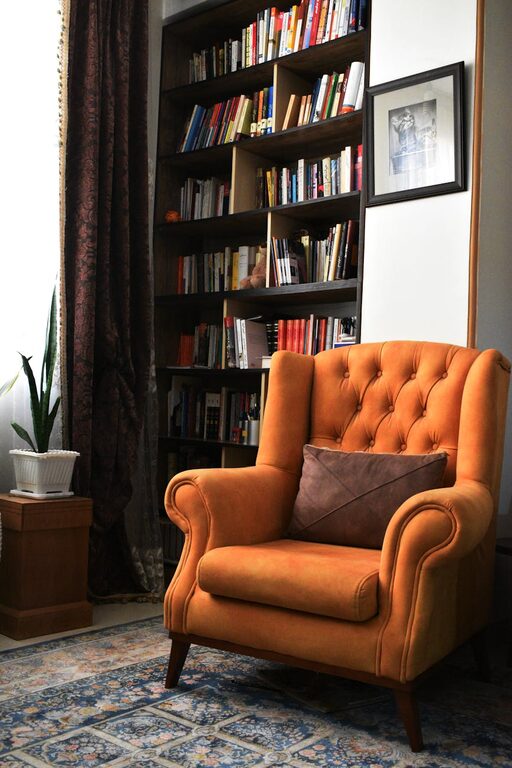
– Natural Materials: Use wood, stone, or woven textures in decor or furniture for warmth and grounding.
– Fresh Air: Open windows when possible to let in fresh air and natural scents.
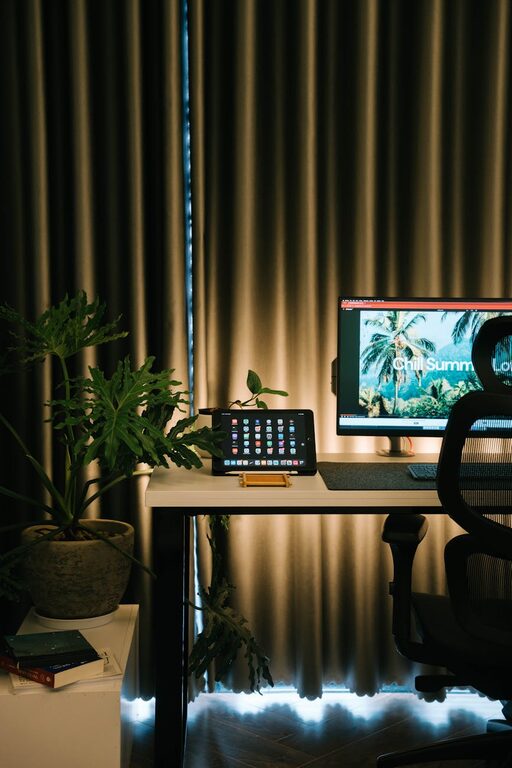
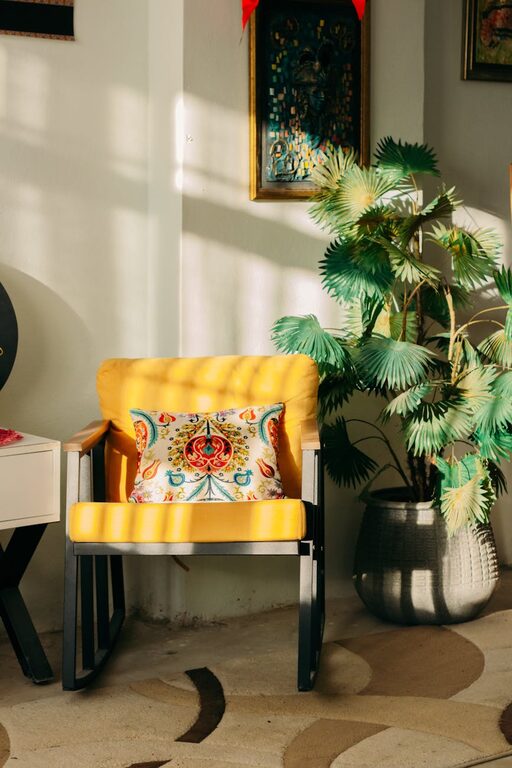
Plants not only brighten your space but also improve air quality and create a soothing vibe.
Control Lighting
Good lighting makes a big difference in comfort and focus.
– Use Layers: Combine ambient (overall), task (focused), and accent lighting for flexibility.
– Avoid Glare: Position your screen and lights to minimize reflections.
– Warm Bulbs: Use bulbs with softer, warm light rather than harsh, bright white light to create a cozy feeling.
– Adjustable Lamps: A desk lamp with adjustable settings allows you to customize light for each task.
Proper lighting helps reduce eye strain and keeps your mood steady.
Manage Noise Levels
Excess noise can be distracting and stressful.
– Noise-Canceling Headphones: Great if you can’t control external sounds.
– Soft Background Music: Instrumental or nature sounds can improve focus without being distracting.
– Soundproofing: Use rugs, curtains, or wall panels to absorb sound.
Finding the right balance of sound helps maintain a calm atmosphere.
Establish Boundaries and Routines
A relaxing home office also means keeping work from bleeding into your personal life.
– Set Work Hours: Define specific times to start and stop working to maintain balance.
– Designate a Workspace: Use your office only for work to mentally separate tasks.
– Take Breaks: Step away regularly to stretch, hydrate, and clear your mind.
Clear routines and boundaries reduce burnout and improve your overall relaxation.
—
By thoughtfully designing your home office with these tips, you can create a comfortable and serene environment that supports both your productivity and peace of mind. Small changes can make a big difference in how you feel while working from home. Start with one or two ideas and build from there to make your home office your favorite place to focus and relax.
About the Author