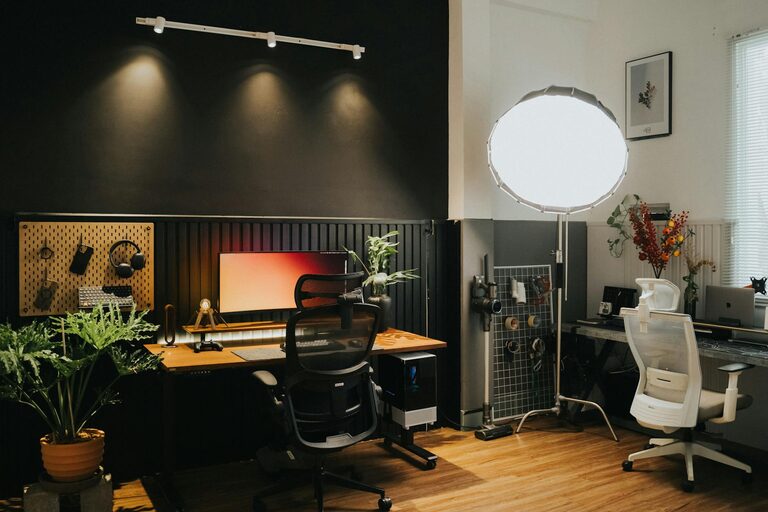
Creating a home office that is both cozy and functional is essential for many people working remotely or managing tasks from home. The right environment helps improve focus, motivation, and well-being throughout the workday. In this post, we’ll explore practical tips for designing a home office space that balances comfort and efficiency, no matter your room size or budget.
Choose the Right Location
Selecting the right spot for your home office lays the foundation for productivity. Consider these factors:
– Natural Light: Position your desk near a window to benefit from daylight, which can boost your mood and energy.
– Quiet Environment: Find a space with minimal noise and distractions to help maintain concentration.
– Separation: If possible, pick a room or nook separate from living areas to create a mental boundary between work and leisure.
Invest in Comfortable and Supportive Furniture
Since you’ll spend many hours at your desk, comfort is key.
– Ergonomic Chair: Choose a chair that supports your lower back, promotes good posture, and has adjustable height.
– Desk: Select a desk that fits your space and is at the proper height for typing and writing.
– Standing Options: Consider a sit-stand desk or desk converter to alternate between sitting and standing, promoting better circulation.
Optimize Lighting
Proper lighting reduces eye strain and keeps you alert.
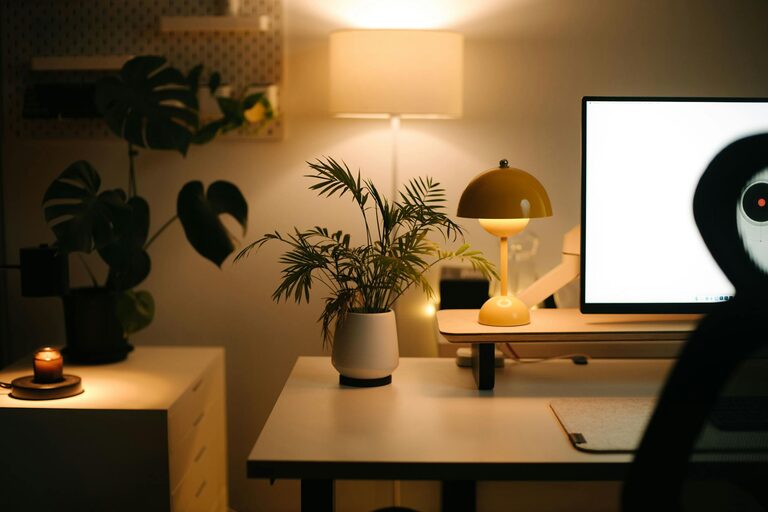
– Layered Lighting: Combine natural light with overhead fixtures and a task lamp for balanced illumination.
– Adjustable Desk Lamp: Use a lamp with adjustable brightness and positioning to focus on paperwork or keyboard work as needed.
– Avoid Glare: Position screens and light sources to prevent glare on your monitor.
Organize Efficiently
A clutter-free office helps maintain focus and saves time.
– Storage Solutions: Use shelves, filing cabinets, or drawer organizers to keep documents and supplies neatly stored.
– Desk Accessories: Utilize trays, holders, or containers for pens, papers, and gadgets.
– Cable Management: Invest in cable clips or sleeves to keep cords tidy and out of sight.
Personalize Your Space
Adding personal touches makes your office feel inviting and motivates you.
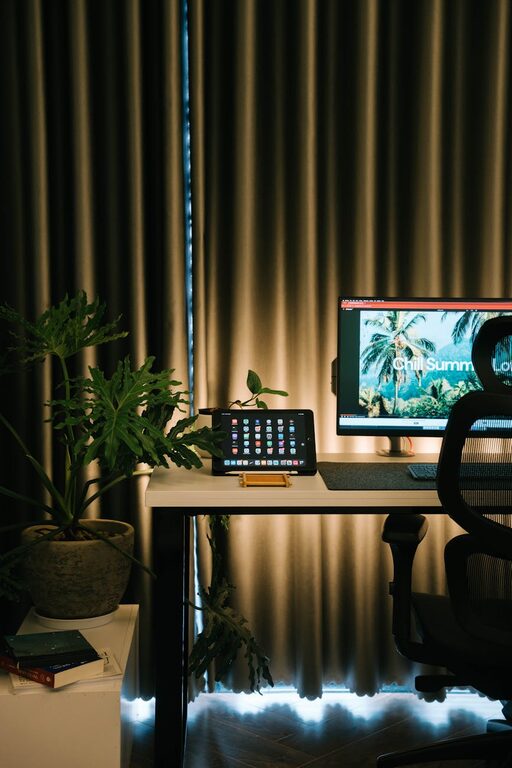
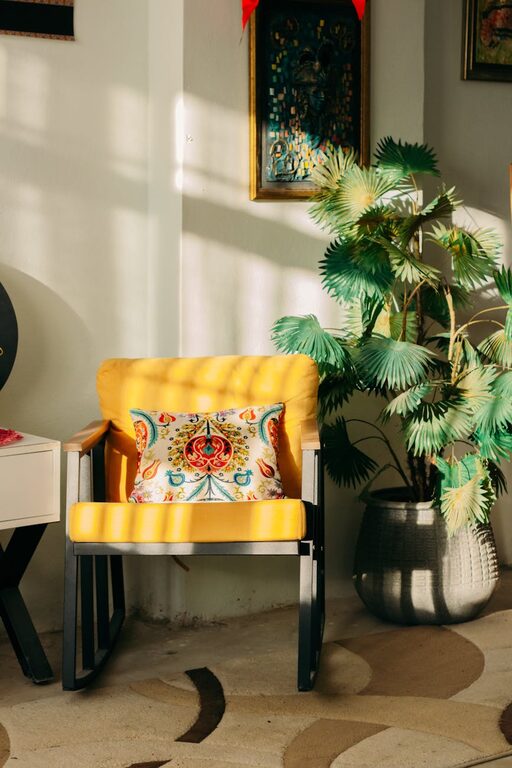
– Plants: Incorporate low-maintenance plants to bring nature indoors and improve air quality.
– Artwork and Photos: Hang pictures or artwork that inspire you without overwhelming the space.
– Color Palette: Choose calming or energizing colors based on your preference—soft blues, greens, or warm neutrals work well.
Create Zones for Different Activities
If space allows, designate areas for various tasks to support workflow.
– Work Zone: Your main desk area for computer work and meetings.
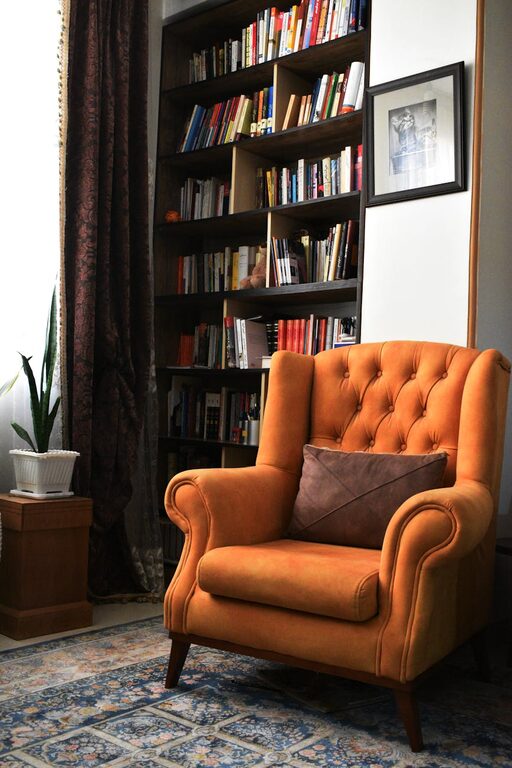
– Reading/Planning Nook: A comfortable chair or small table for reviewing documents or brainstorming.
– Storage Zone: Shelving or cabinets dedicated to supplies and reference materials.
Incorporate Technology Wisely
Technology should enhance your workflow without causing distraction.
– Reliable Internet: Ensure your workspace has a strong Wi-Fi signal or wired connection.
– Efficient Devices: Use a quality monitor, keyboard, and mouse that reduce strain.
– Headphones: Noise-canceling headphones help block distractions and improve focus during calls.
Manage Temperature and Air Quality
Comfort involves physical elements like temperature and air circulation.
– Ventilation: Open windows regularly or use an air purifier for fresh air.
– Heating and Cooling: Have a fan or heater handy to maintain a comfortable temperature year-round.
– Humidity: Consider a humidifier if your room tends to be dry, especially in winter.
Maintain a Routine and Declutter Regularly
Staying organized requires ongoing effort.
– End-of-Day Clean-Up: Spend a few minutes tidying your desk to start fresh the next day.
– Regular Decluttering: Every few weeks, remove unneeded items to maintain a clutter-free environment.
– Schedule Breaks: Use a timer to remind yourself to stand, stretch, and rest your eyes.
Final Thoughts
Designing a home office that’s cozy and functional takes some planning but pays off with greater comfort and productivity. Start with a good location, invest in comfortable furniture, and personalize the space to suit your style. By organizing effectively and managing your environment, you can create a workspace that feels good and works well every day. Whether you have a whole room or a tiny corner, these tips can help you build a home office that supports your best work.
About the Author