Working from home has become increasingly common, making it essential to create a productive home office environment. A well-designed workspace can improve focus, reduce distractions, and enhance overall work satisfaction. In this post, we’ll explore key tips to help you set up an efficient and comfortable home office that supports your best work.
Choose the Right Location
Selecting the right spot in your home for your office is the foundation of productivity. Ideally, your workspace should be:
– Quiet: Choose a space away from busy areas to minimize noise distractions.
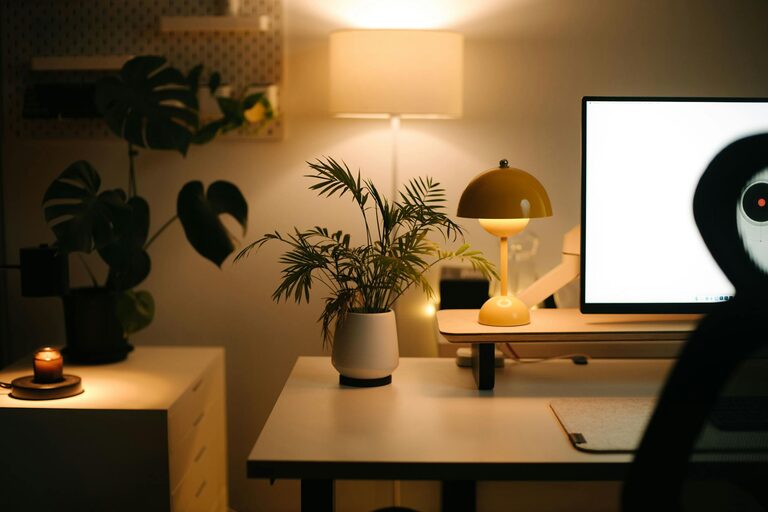
– Well-lit: Natural light helps reduce eye strain and lifts mood. If natural light is limited, invest in good lighting.
– Private: If possible, choose a room or nook where you can close the door for uninterrupted work.
Finding a dedicated space signals to your brain that it’s time to work, helping you stay focused.
Invest in Ergonomic Furniture
Comfort plays a huge role in productivity. Sitting for long hours in an uncomfortable chair or at a poorly arranged desk can lead to discomfort and decreased motivation.
– Use an adjustable chair with good lumbar support.
– Position your monitor at eye level to avoid neck strain.
– Keep your keyboard and mouse at a height where your wrists are straight.
– Consider a standing desk or a sit-stand converter to change positions throughout the day.
Ergonomic furniture not only supports your body but also encourages better posture and energy levels.
Organize and Declutter Regularly
A cluttered workspace can hinder focus and increase stress. Organizing your home office keeps important materials at hand and avoids visual distractions.
– Use shelves, drawers, or storage bins for supplies.
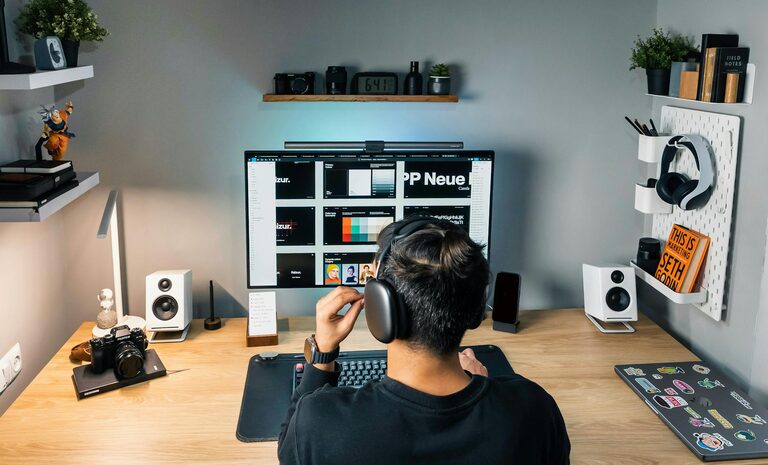
– Keep only essential items on your desk.
– Regularly sort through papers and digital files.
– Use cable organizers to manage cords and charging cables.
A tidy office creates a calming environment and helps you work more efficiently.
Optimize Your Technology Setup
Having reliable and efficient technology is key for smooth work.
– Use a strong and stable internet connection to avoid interruptions.
– Invest in a quality headset or microphone if you attend virtual meetings.
– Arrange your monitor, keyboard, and other devices neatly to reduce clutter.
– Keep chargers, external drives, and other peripherals organized and accessible.
Check your devices regularly for updates and maintenance to prevent technical issues.
Create a Routine and Boundaries
Working from home can blur the lines between personal and professional life. Establishing routines and boundaries helps maintain productivity.
– Set consistent working hours.
– Dress as if you’re going to the office to mentally prepare for work.
– Take scheduled breaks to recharge.
– Let household members know your work times to minimize interruptions.
Having clear start and end times supports work-life balance and reduces burnout.
Personalize Your Space
Adding personal touches to your office can make it more inviting and motivating.
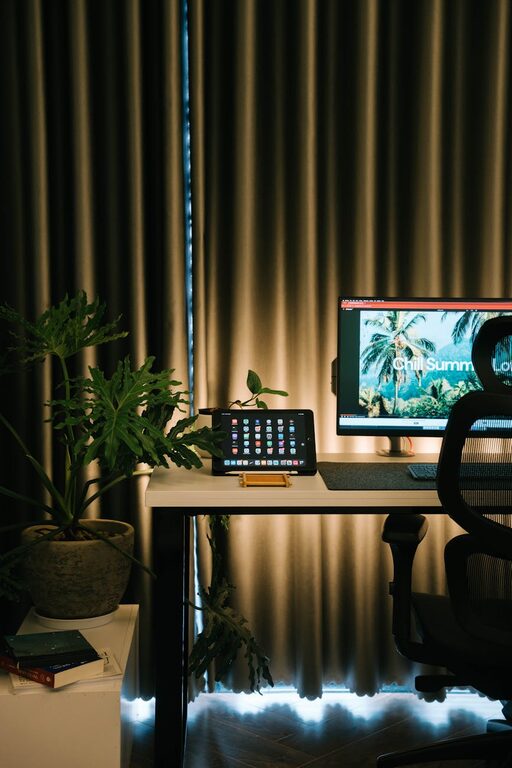
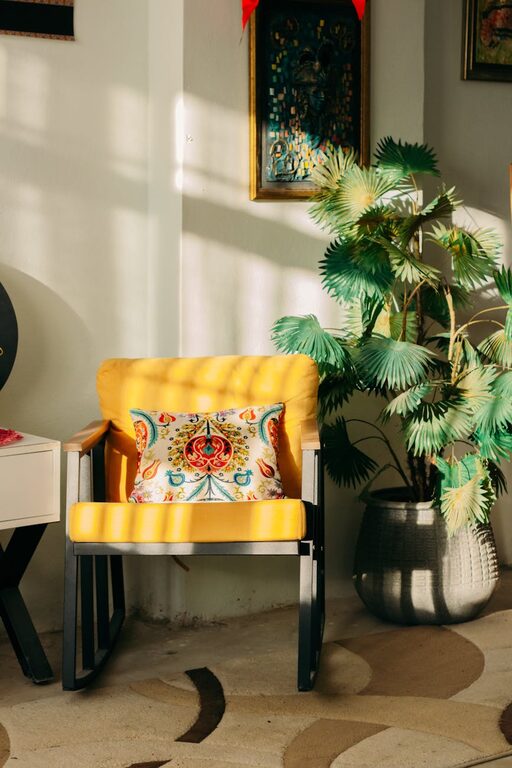
– Decorate with artwork, plants, or photos.
– Use colors that energize or calm you.
– Choose comfortable textiles like cushions or rugs.
– Play soft background music if it helps you focus.
A personalized environment makes your workspace enjoyable and encourages you to spend time there.
Manage Noise and Distractions
Background noise and distractions can disrupt concentration. Depending on your situation, you can:
– Use noise-canceling headphones.
– Play white noise or ambient sounds.
– Use a “do not disturb” sign when focusing.
– Limit social media and non-work apps during work hours.
Managing distractions helps maintain a flow state and increases productivity.
Incorporate Movement and Natural Elements
Sitting for too long can decrease energy and focus. Incorporate movement and natural elements to balance your workday.
– Take short stretch breaks or walk around every hour.
– Place your desk near a window to enjoy views of nature.
– Add plants to your workspace for improved air quality and stress reduction.
Movement and nature help refresh your mind and body, supporting sustained productivity.
—
Creating a productive home office environment is about balancing comfort, organization, and boundaries. By following these tips, you can build a workspace that not only supports your work tasks but also nurtures your well-being. Whether you’re new to remote work or looking to improve your current setup, small changes can make a big difference in how effectively you work at home.
About the Author