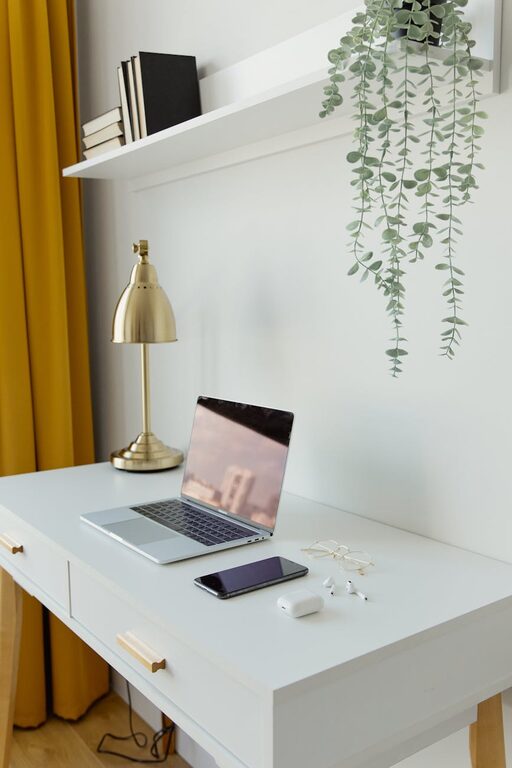
Creating a relaxing home workspace is essential for staying productive and motivated, especially when working remotely or studying. When your environment promotes calmness and focus, you can better manage tasks, reduce stress, and improve your overall work experience. In this post, we’ll explore practical tips to help you design a home workspace that feels comfortable, organized, and inspiring.
Why a Relaxing Workspace Matters
Before diving into the setup ideas, it’s important to understand why your workspace environment impacts productivity. Distractions, clutter, or discomfort can take a toll on your attention and motivation. On the other hand, a space that feels peaceful and organized encourages concentration and creativity. When you take intentional steps to create a calm workspace, you set yourself up for more efficient workdays.
Choose the Right Location
Find a Quiet Spot
Select a spot in your home with minimal noise and foot traffic. Away from busy areas like the kitchen or living room reduces interruptions and helps maintain focus.
Maximize Natural Light
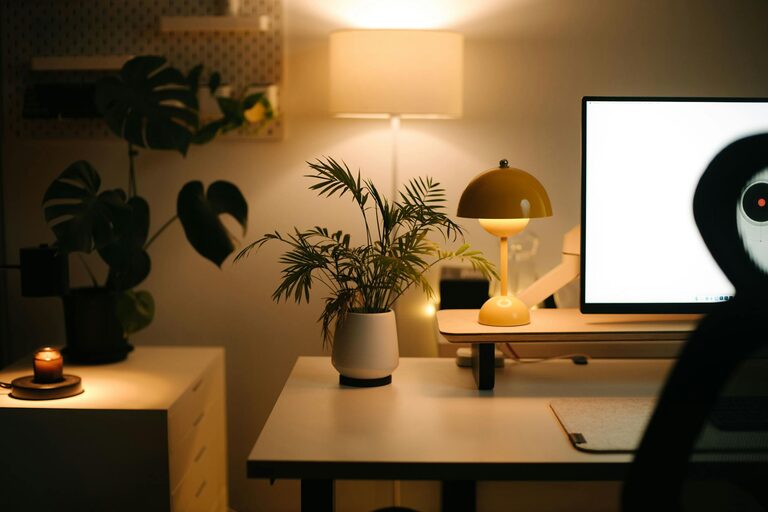
Natural light has numerous benefits, including boosting mood and energy. Place your desk near a window if possible, but avoid glare on your screen. If natural light is limited, invest in good-quality lighting that mimics daylight.
Invest in Comfortable and Functional Furniture
Ergonomic Chair and Desk
Choose a chair with adjustable height and good lumbar support to avoid back pain. The desk should be the appropriate height to keep your wrists and shoulders relaxed while working.
Consider Your Layout
Arrange your furniture so that everything you need is within reach but your space doesn’t feel cramped. A clean layout helps reduce distractions and keeps your workflow smooth.
Keep the Space Organized
Declutter Regularly
Remove unnecessary items from your desk and storage to maintain a clean environment. Clutter can create mental distraction and stress.
Use Storage Solutions
Invest in shelves, filing cabinets, or organizers to keep documents, stationery, and electronic accessories neatly stored.
Add Calming Elements
Incorporate Plants
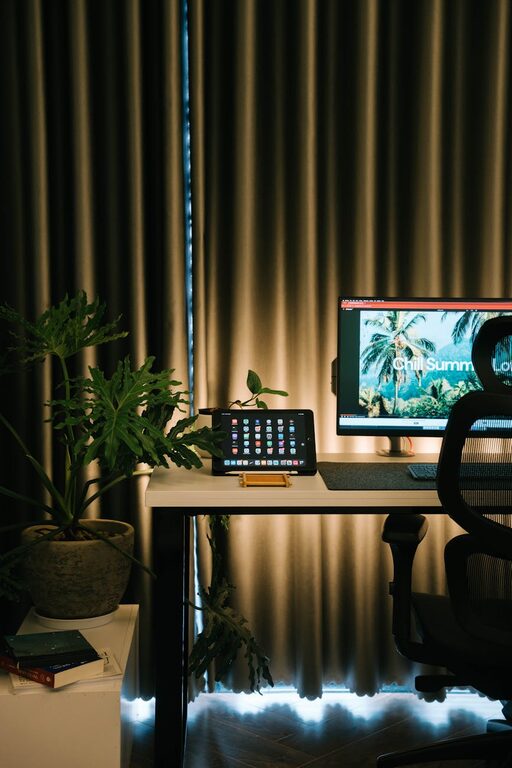
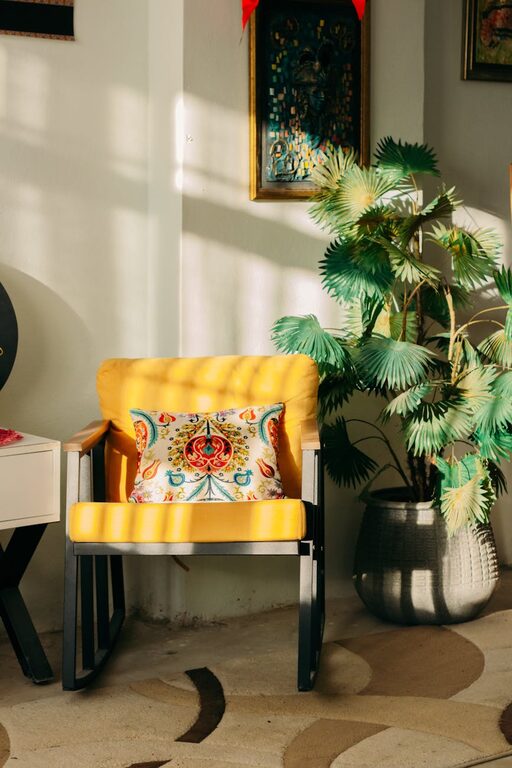
Indoor plants not only improve air quality but also provide a calming effect. Choose easy-to-care-for plants like succulents or pothos to add a natural touch.
Choose Soothing Colors
Colors can influence your mood. Soft blues, greens, and neutrals are known to promote relaxation and focus.
Personalize Thoughtfully
Display a few personal items like photos or artwork that inspire you, but avoid overcrowding your space.
Minimize Digital Distractions
Manage Notifications
Turn off non-essential notifications on your devices to maintain concentration during work periods.
Use Cable Management
Organize cords and chargers to prevent tangles and visual clutter, which can be distracting.
Incorporate Break Areas
Designate a Spot to Relax
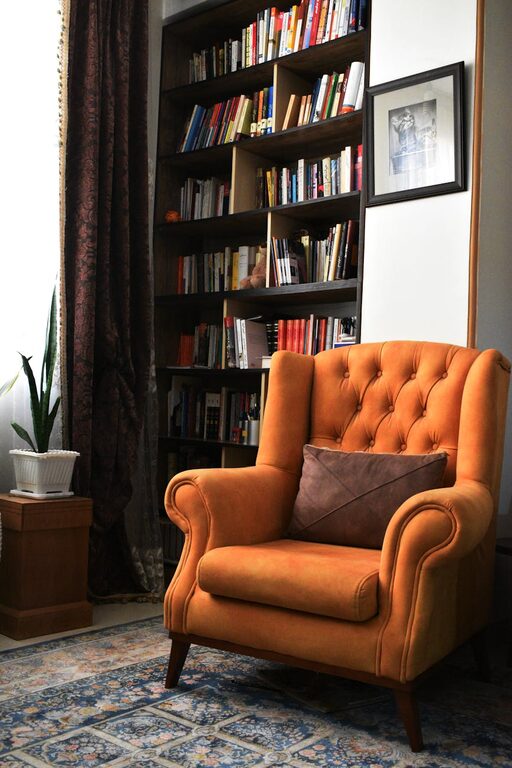
If possible, create a small zone near your workspace with a comfortable chair or cushion where you can take short breaks. Stepping away from your desk helps refresh the mind.
Practice Mindfulness or Stretching
Use break times for simple stretches or mindfulness exercises to reduce stress and boost energy.
Maintain Good Air Quality and Temperature
Ventilation
Ensure your workspace has good airflow to avoid stuffiness.
Control Temperature
Keep the room at a comfortable temperature. Too hot or cold environments can reduce productivity.
Use Sound to Your Advantage
Background Music
Soft instrumental music or nature sounds can enhance concentration for some people.
Noise-Canceling Tools
If your environment is noisy, consider noise-canceling headphones or white noise machines to block distractions.
Final Thoughts
Designing a relaxing home workspace doesn’t require a complete overhaul. Small, consistent changes like adding a plant, organizing your desk, or optimizing lighting can make a big difference in how you feel and perform during work hours. By cultivating a calm, comfortable space tailored to your needs, you’ll enjoy a more productive and enjoyable work-from-home experience. Remember, your workspace should support your well-being as much as your daily tasks.
About the Author